The short answer
A twin-tank unit switches to the second tank while the first regenerates, so there is always soft water; a single tank goes off-line for regeneration, usually overnight.
Side by side
| Single tank | Twin tank | |
|---|---|---|
| Soft water during regeneration | No (bypassed) | Yes |
| Space | Mineral tank + brine tank | Two mineral tanks + brine tank |
| Typical valve | Fleck 5600SXT, Clack WS1 | Fleck 9100SXT |
Who needs one
- Large households or shift workers using water at all hours.
- Very hard water that needs frequent regeneration.
- Homes where hard water passing during regeneration matters.
Models we cover
Twin tank: CAI Technologies Fleck 9100SXT 48,000-Grain Twin-Tank Water Softener, Fleck 9100 SXT 48,000-Grain Twin-Tank Water Softener, CAI Technologies Fleck 9100SXT 32,000-Grain Twin-Tank Water Softener. Single tank: Tier1 WS-165-132 32,000-Grain Water Softener, VEVOR BWsoftYT-5w 40,000-Grain Water Softener.
Products mentioned
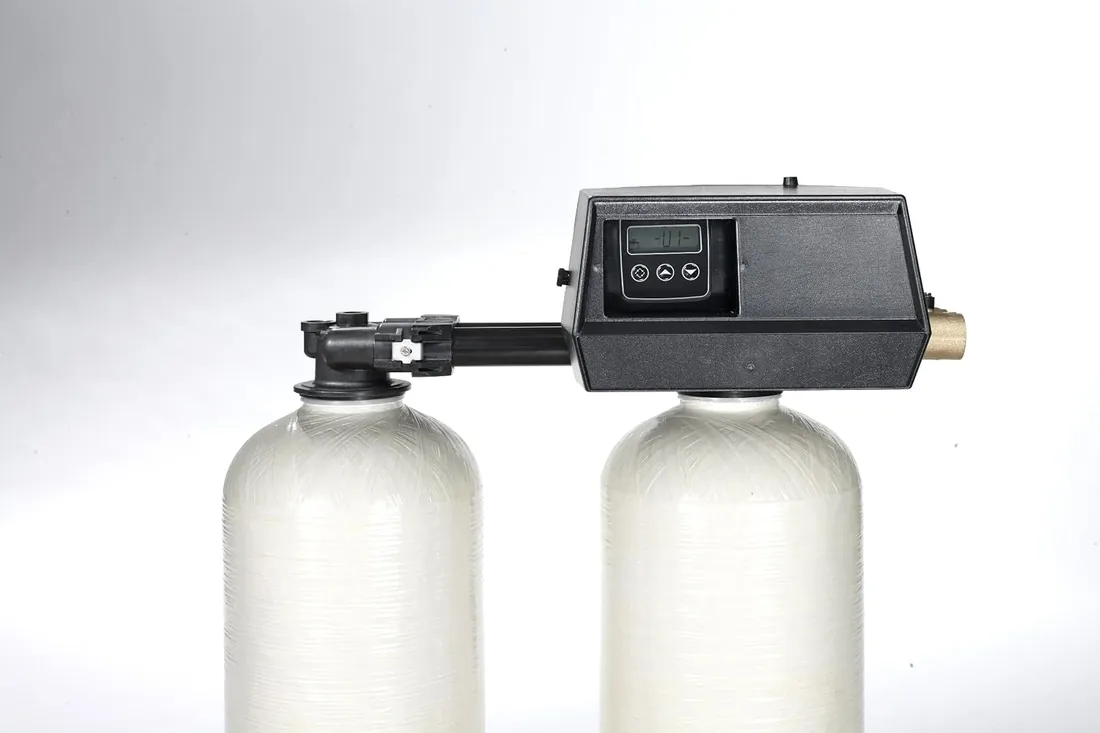
Twin-tank softener · CAI Technologies
CAI Technologies Fleck 9100SXT 48,000-Grain Twin-Tank Water Softener
Fleck 9100SXT
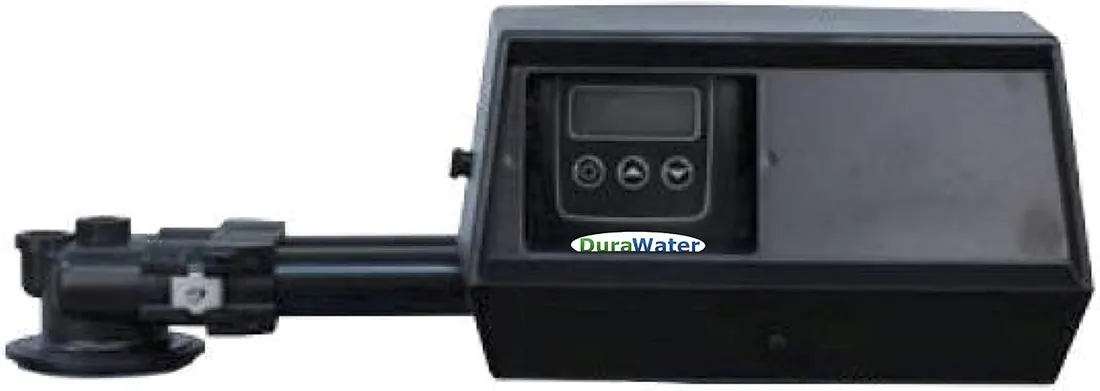
Twin-tank softener · Fleck
Fleck 9100 SXT 48,000-Grain Twin-Tank Water Softener
48,000 grains · Fleck 9100
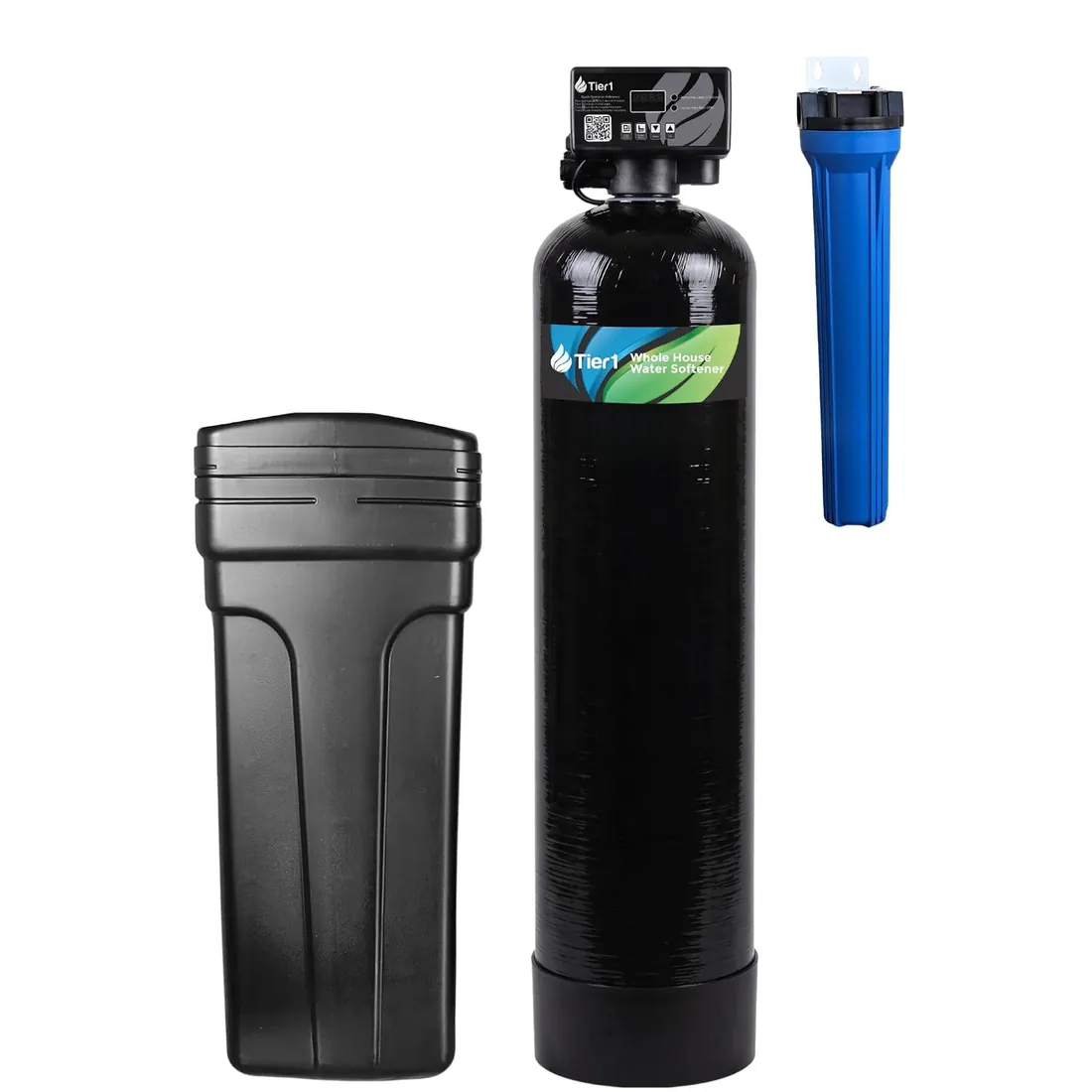
Whole-house softener · Tier1
Tier1 WS-165-132 32,000-Grain Water Softener
32,000 grains · 18 GPM
Questions readers ask
Is a twin-tank water softener worth it?
For most homes that regenerate overnight, a single tank is enough; twin tanks suit round-the-clock use and very hard water.
Do twin-tank softeners use less salt?
They regenerate one tank at a time on demand; salt use still depends on the grains removed and the salt setting.